
Switching Your 3PL Provider in 3 Easy Steps: The Ultimate Guide for NZ Businesses
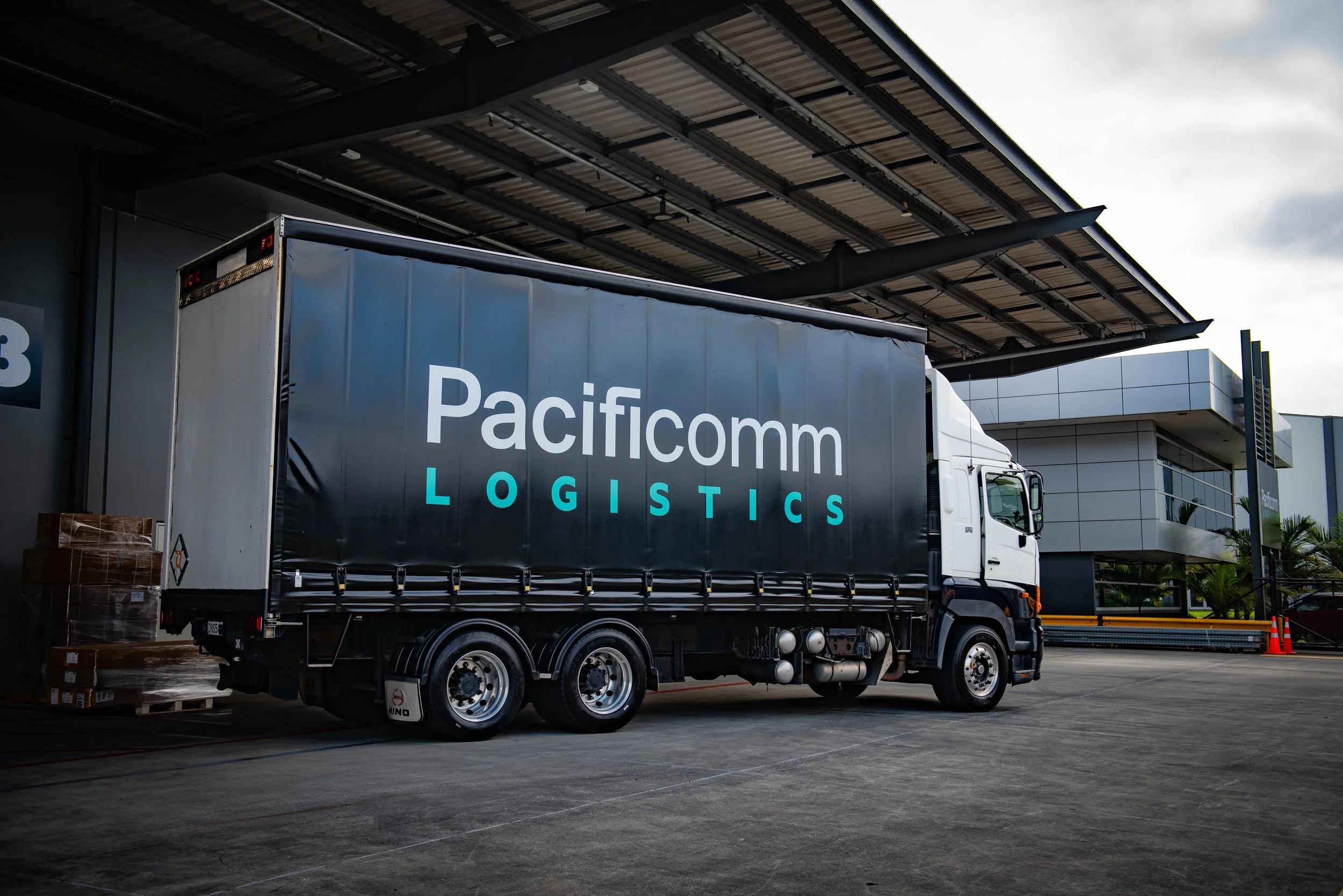
If your current logistics provider is causing stock discrepancies, delayed dispatches, poor visibility, or communication headaches, you're not alone. Many growing businesses stay with an underperforming provider longer than they should because the thought of moving warehouses, inventory, and systems feels risky.
The reality is that staying with the wrong provider can create ongoing costs through inefficiencies, customer complaints, and lost growth opportunities. For businesses searching for a reliable 3PL NZ partner, the transition doesn't need to be disruptive when there's a structured plan in place.
This guide breaks the process into three practical steps, helping you understand how a successful 3PL transition works and what to look for in your next logistics partner.
Step 1: Audit Your Current Setup and Choose the Right Partner
Before any stock is moved, take the opportunity to evaluate what's working and what's holding your business back.
Start by identifying the key challenges you're facing. These may include:
Inventory inaccuracies
Limited reporting and visibility
Slow order processing
Difficulty scaling during peak periods
Poor communication and support
Contract limitations that restrict growth
Once you've identified the issues, you can begin assessing potential providers. A quality 3PL logistics company should take the time to understand your business, products, growth plans, and operational requirements before recommending a solution.
The goal isn't simply finding warehouse space. It's finding a 3PL NZ provider that can support your business as it evolves.
Look for providers that offer flexible and scalable 3PL services, transparent reporting, and the ability to adapt as order volumes change. Businesses experiencing rapid growth often outgrow rigid logistics arrangements, making flexibility a critical factor when selecting a new provider.
This is also the stage where service capabilities should be reviewed. Consider whether you need warehousing, pick and pack, freight management, e-commerce fulfilment, or broader supply chain support under a single provider.
A thorough audit creates a clear roadmap for the transition and reduces the risk of surprises later in the process.
Step 2: Complete System Integration Before Moving Inventory
One of the biggest misconceptions about switching providers is that the physical stock transfer comes first. In reality, successful third party logistics transitions begin with technology.
Before a single pallet is moved, your new 3PL NZ partner should work through system integrations, data mapping, inventory setup, testing, and operational workflows.
This stage may include:
Connecting Shopify, ERP, or e-commerce platforms
Configuring inventory management systems
Mapping product SKUs
Establishing reporting requirements
Testing order flows and shipping processes
Confirming carrier integrations
Strong 3PL solutions are built around visibility and accuracy. By completing the digital setup first, businesses gain confidence that orders, stock movements, and reporting will function correctly from day one.
For e-commerce businesses in particular, integration plays a significant role in customer experience. Orders need to flow automatically, inventory levels need to remain accurate, and fulfilment processes must support growing demand.
An experienced provider will guide this process step-by-step, helping minimise operational disruption while ensuring every system is tested before launch.
Many modern providers, including those offering direct Shopify integrations and real-time inventory visibility, complete much of this setup before stock is transferred.
Step 3: Plan and Execute the Inventory Migration
With systems configured and tested, attention can shift to the physical movement of inventory.
At this stage, your new provider should create a detailed migration plan covering timelines, stock counts, transport requirements, and operational responsibilities.
For businesses moving into a dedicated 3PL logistics warehouse, careful planning helps maintain fulfilment continuity while stock is transferred.
The migration process typically includes:
Inventory verification and reconciliation
Transport coordination
Warehouse receiving and put-away
Stock validation checks
Go-live planning
Ongoing performance monitoring
Businesses looking for a 3PL Auckland provider or a larger 3PL logistics Auckland network often benefit from working with operators that have established systems and experienced onboarding teams.
Communication is especially important during this phase. Clear milestones, regular updates, and defined responsibilities help ensure everyone involved understands the transition timeline. When managed correctly, inventory migration becomes a planned operational project rather than a disruptive business event.
The Cost of Waiting
Many businesses continue working with an underperforming logistics provider because changing feels like a major undertaking.
However, ongoing fulfilment delays, inventory errors, limited visibility, and poor customer experiences can create costs that accumulate over time. Internal teams often spend valuable hours managing issues that should have been resolved within the logistics process itself.
A structured transition allows businesses to address these challenges while building a stronger foundation for future growth.
Ready to Upgrade Your 3PL Partner?
Switching providers doesn't have to involve guesswork or unnecessary disruption. With the right planning, technology setup, and inventory migration strategy, moving to a new 3PL New Zealand partner can be a controlled and well-managed process.
Pacificomm combines Kiwi-owned expertise with scalable logistics capabilities, integrated technology, and a partnership-focused approach designed to support growing businesses. If you're considering a change and want to understand what's involved, now is the ideal time to start the conversation.
Book a quote today and speak with the Pacificomm team about developing a customised transition plan for your business.