
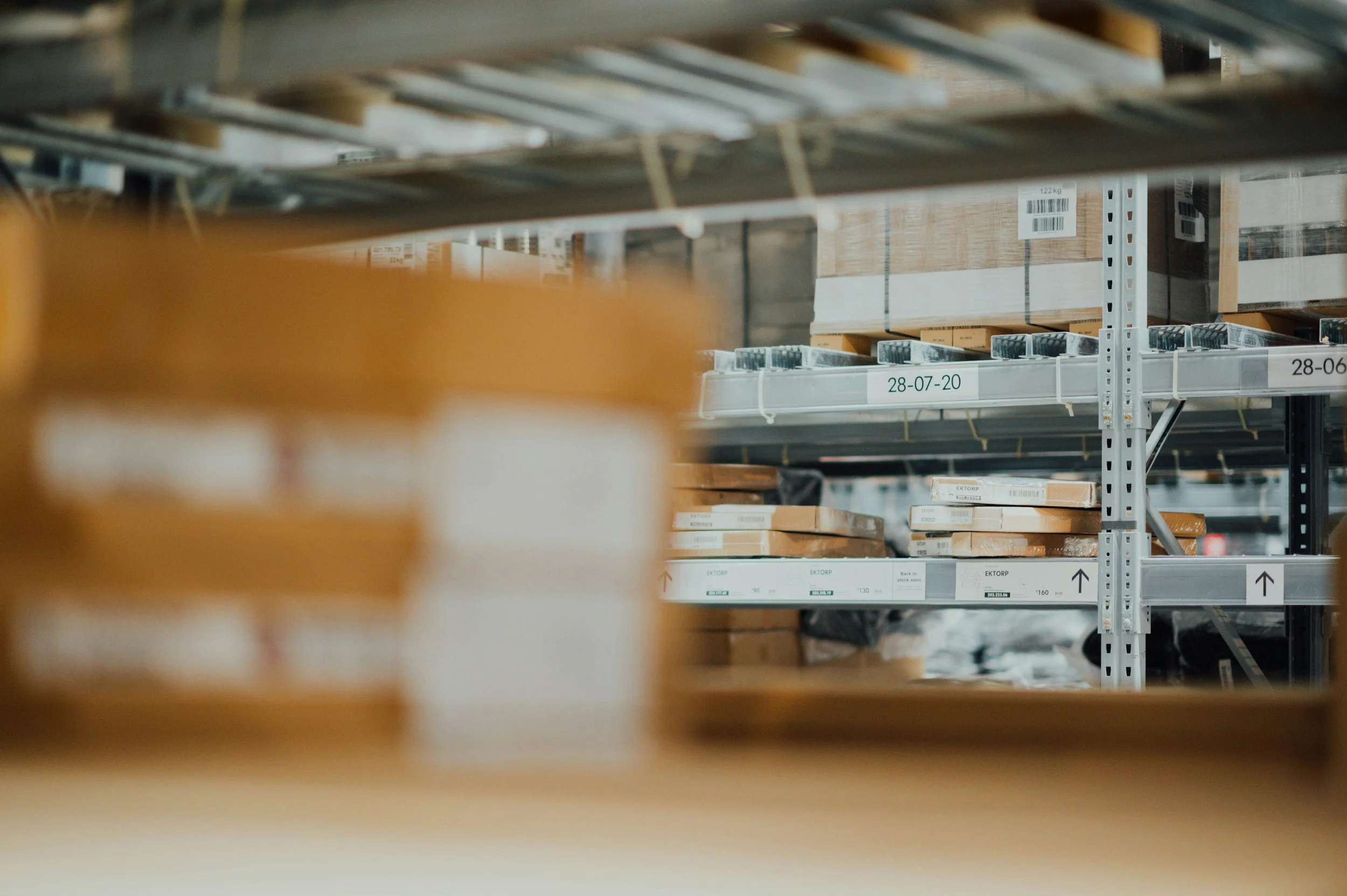
What Is 3PL?
Third-Party Logistics (3PL) refers to outsourcing logistics functions such as warehousing, inventory management, pick and pack, freight, fulfilment, and distribution to a specialist logistics provider.
Pacificomm 3PL
Instead of investing in warehouses, technology, staff, vehicles, and inventory systems themselves, businesses partner with a 3PL company that manages these operations on their behalf.
A modern 3PL provider becomes an extension of your business, helping improve customer service, reduce operational costs, and create a more scalable supply chain.
At Pacificomm, we support companies across New Zealand, Australia, and the Pacific with flexible 3PL services that combine warehousing, fulfilment, inventory management, freight, technology integration, and customer support. Pacificomm's published service information highlights warehousing, inventory management, pick and pack fulfilment, freight, returns management, and integrated logistics technology. ,
A typical 3PL relationship follows three key stages:
1. Inventory Storage
Products are received into the warehouse and securely stored.
2. Order Fulfilment
Orders are automatically received from your sales channels and picked, packed, and dispatched.
3. Distribution
Orders are delivered directly to customers through integrated carrier networks.
The result is a streamlined operation that allows businesses to focus on sales, marketing, product development, and customer growth rather than warehouse management.
How Does 3PL Work?
Scalability
Grow storage and fulfilment capacity without investing in infrastructure.
Lower Costs
Reduce labour, warehousing, transport, and technology expenses.
Better Technology
Access warehouse management systems, inventory visibility, reporting, and integrations.
Improved Customer Service
Faster dispatch, improved accuracy, and proactive delivery management.
National and International Reach
Expand into new markets without opening facilities in multiple locations.
Benefits of Using a 3PL Provider
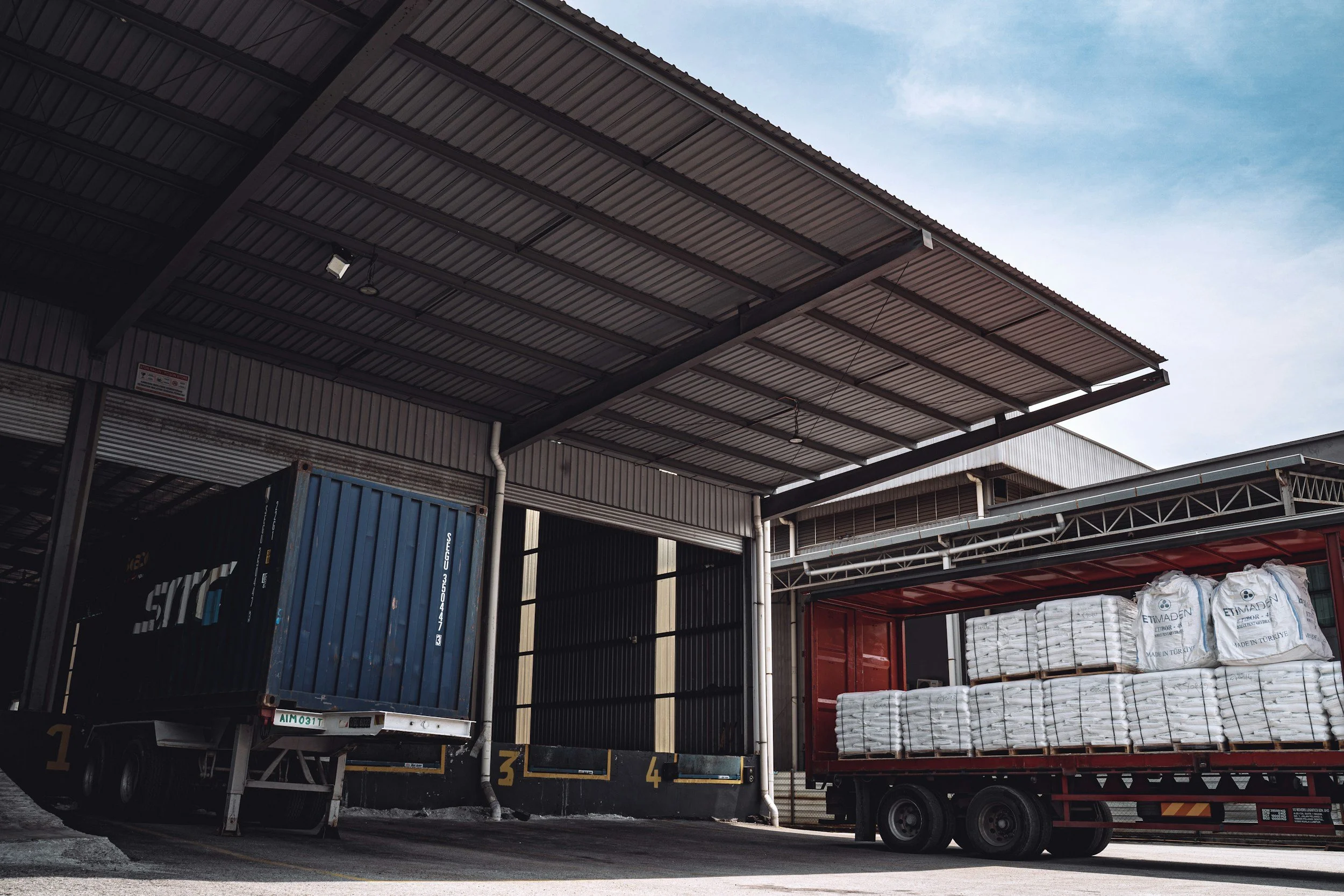
FAQs
What is 3PL?
1
3PL stands for Third-Party Logistics. It is the outsourcing of logistics functions such as warehousing, inventory management, order fulfilment, and distribution to a specialised logistics provider.
What does a 3PL provider do?
2
A 3PL provider manages the storage, movement, fulfilment, and distribution of products on behalf of businesses. This includes receiving inventory, processing orders, dispatching goods, and managing returns.
What services do 3PL providers offer?
3
Most 3PL providers offer warehousing, inventory management, pick and pack, transport coordination, freight forwarding, order fulfilment, returns management, and technology integrations.
How much does a 3PL cost?
4
Costs vary depending on storage requirements, order volumes, product characteristics, and delivery locations. Most providers charge a combination of storage, handling, fulfilment, and transport fees.
What industries use 3PLs?
5
Industries commonly using 3PL services include eCommerce, retail, FMCG, health and beauty, consumer electronics, food and beverage, manufacturing, and B2B distribution.
What is the difference between warehousing and 3PL?
6
Warehousing simply refers to storage. A 3PL extends beyond storage by managing fulfilment, inventory control, freight, technology integration, returns, and customer service.
What is the difference between a freight company and a 3PL?
7
A freight company focuses on moving goods from one location to another. A 3PL manages the broader supply chain, including storage, inventory management, fulfilment, reporting, and transport coordination.
When should I outsource logistics?
8
Businesses should consider outsourcing logistics when warehouse space becomes constrained, order volumes grow, customer service begins to suffer, or internal logistics costs become difficult to manage.
What systems should a 3PL provide?
9
A modern 3PL should provide a Warehouse Management System (WMS), inventory visibility, reporting dashboards, order tracking, integration capability, and customer portals.
Is a 3PL right for my business?
10
If your business is growing, shipping increasing volumes, expanding geographically, or seeking operational efficiencies, a 3PL can help reduce complexity while supporting scale.